


Kimberly Carey Coffin, Supply Chain Assurance Technical Director for Food & Beverage, LRQA, discusses how pistachios resemble a broader challenge facing today’s food manufacturers.
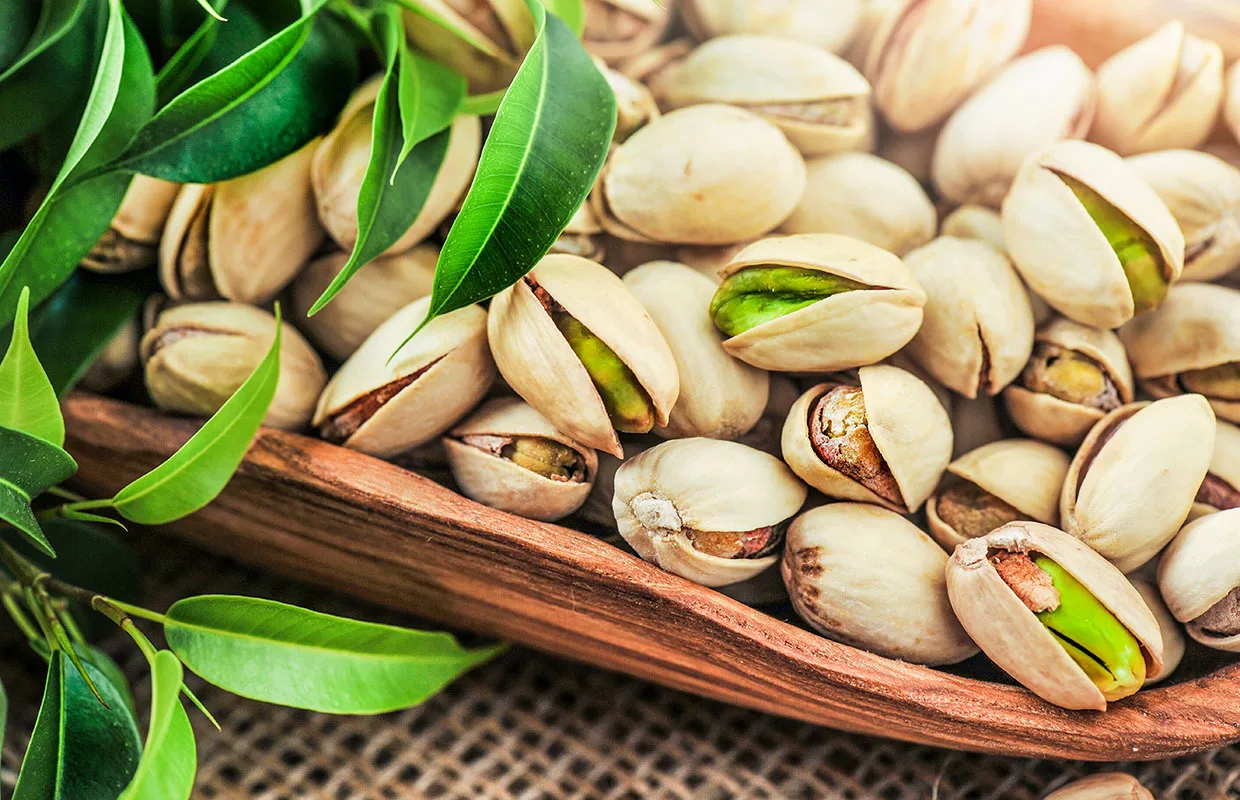
Colourful, nutrient-packed, and Instagram-famous, pistachios have become one of the food industry’s most fashionable ingredients. Once a niche nut, they now signal premium quality and healthy indulgence, popping up in ice creams, pastries, chocolate bars, and even plant-based milks.
Yet behind their appeal lies a supply chain as intricate and vulnerable as any in the food sector, spanning farms, processors, and global transport. Risks can arise at each stage, making pistachios a powerful example of the wider challenges food manufacturers face. So, how to ensure that every link in the supply chain – from plant to plate – is safe, transparent, and resilient?
A JOURNEY ACROSS CONTINENTS
The journey of a pistachio begins in hot, dry conditions. The kind found in California’s San Joaquin Valley, the deserts of Iran, or the arid plains of Turkey. Each region has its own climatic quirks, harvesting methods, and labour practices, all of which shape risk.
Once harvested, pistachios are hulled, dried, sorted, and often shipped thousands of kilometres to be roasted, salted, or incorporated into processed foods. They might travel through multiple handlers before reaching a factory that turns them into paste for confectionery, or an ingredient in dairy alternatives.
THE COUNTRY-OF-ORIGIN CONUNDRUM
Where pistachios come from matters. The US (primarily California) dominates global production, followed closely by Iran and Turkey. Each origin carries distinct strengths and risks.
The US supply chain is tightly regulated with advanced monitoring for toxins and pesticides, though its scale can complicate traceability when batches are blended. Turkish and Iranian supplies often involve smaller growers and more variable controls, with higher exposure to water scarcity, pesticide misuse, or labour concerns. Occasional elevated toxin levels in imports highlight how one weak link can create global risk. For global buyers, the same product name can hide very different risk profiles.
THE HIDDEN WEAK POINTS
Supply chains often break down, not because of one dramatic failure, but due to a series of small, unseen compromises. In the pistachio trade, some of the most vulnerable points are:
- Harvesting and drying: If moisture levels aren’t tightly controlled, moulds like Aspergillus flavus can take hold, producing toxins that can render entire batches unsafe.
- Sorting and shelling: Cross-contamination with other nuts and foreign materials can occur if equipment isn’t properly cleaned or monitored, leading to undeclared allergens, which is particularly dangerous to at-risk populations, who are reliant on the accuracy of product ingredient lists when choosing the foods they consume.
- Roasting and packaging: Inadequate roasting temperatures or increased manufacturing line throughput may negatively impact the efficacy of the essential kill step for Salmonella, leading to undetectable micro-organism hotspots and/or cross-contamination.
- Storage and transit: Pistachios are rich in oils, making them susceptible to rancidity if exposed to heat or humidity, affecting product quality and palatability, with taints and off‑flavours that can trigger consumer safety concerns.
- Country of Origin Labelling (CoOL) and traceability: Mislabelled origin or adulteration continues to represent a systemic vulnerability driving food fraud incidence.
Each of these points represents both a safety and a reputational risk. When they’re multiplied across multiple suppliers, intermediaries, and countries, the margin for error grows exponentially.
THE ROLE OF RISK MANAGEMENT
One way to look at supply chain risk management is ‘evidence-based confidence.’ Not just ticking boxes for compliance, but stress-testing a supply chain to expose vulnerabilities before they cause damage. A robust risk management programme looks at every layer:
- Supply chain segmentation and risk-based supplier audits
- Testing and verification protocols for contaminants and fraud
- Ethical sourcing assessments
- Data integrity checks across digital traceability systems
It’s a continuous process that evolves with risk, not a one-off inspection. Technology can help. Blockchain-based traceability systems can create records from farm to factory, IoT sensors can monitor humidity and temperature, and AI analytics can all strengthen traceability and flag issues early. Although digital tools are only as strong as the governance behind them, data must be accurate, verified, and shared transparently.
FROM REACTIVE TO RESILIENT
In the past, many food businesses approached supply chain risk management reactively: wait for a problem, then fix it. But today’s complex systems demand proactive resilience: mapping supply chains in real time, identifying ethical and disruption risks early, building contingencies, and working with transparent partners backed by robust supply chain assurance.
There’s no such thing as a simple ingredient anymore. A pistachio’s journey from farm to plate tells a bigger story, one about the fragility and interconnectedness of our food systems and the need for vigilance at every step. The lessons they reveal apply across the entire food sector. Whether you’re dealing with spices, oils, or plant proteins, the principles are the same: every ingredient carries hidden risks; globalisation amplifies them; technology reduces but doesn’t remove uncertainty; and trust must be verified.
Supply chain assurance is about precision, not paranoia. It’s replacing assumptions with evidence to protect both businesses and consumers.