



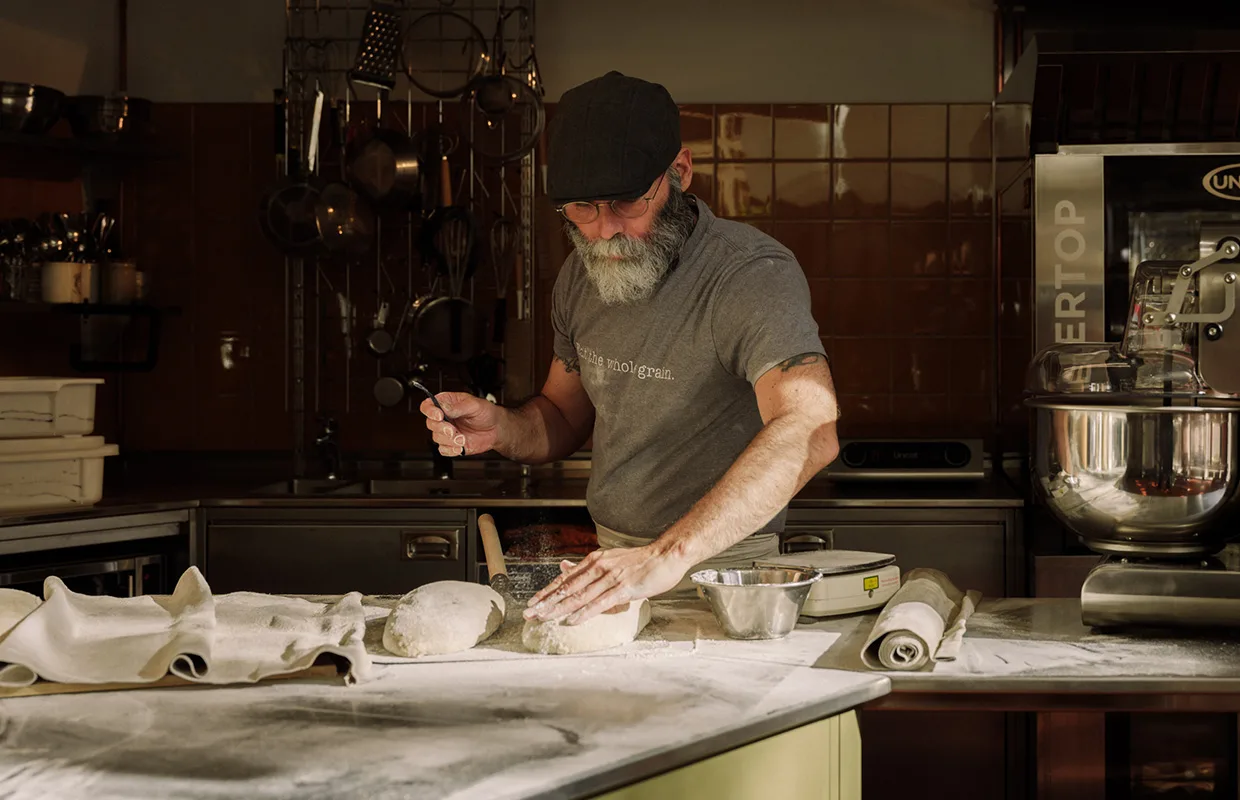
GAIL’s is intuitive in its flexible and caring approach to baking bread. For the award-winning neighbourhood bakery, every step in its process matters when curating a product that satisfies evolving customer needs – from farmer to miller and baker. We sit down with Anomarel Ogden, Group Executive Head Baker, who provides insight into the intricacies involved in delivering consistently high-quality products.
MODERN CRAFT BAKERY
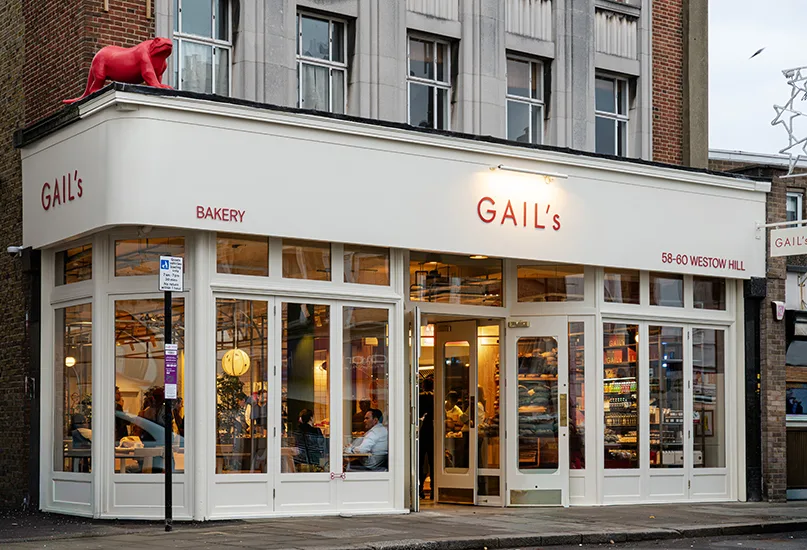
What began as a single café and bakery in London’s Hampstead High Street in 2005, to now having bakeries in neighbourhoods across London, Oxford, Brighton, and beyond, GAIL’s is a business that remains unchanged from the very principles it was built on – that the highest-quality bread can be achieved when each loaf is loved and cared for, every step of the way.
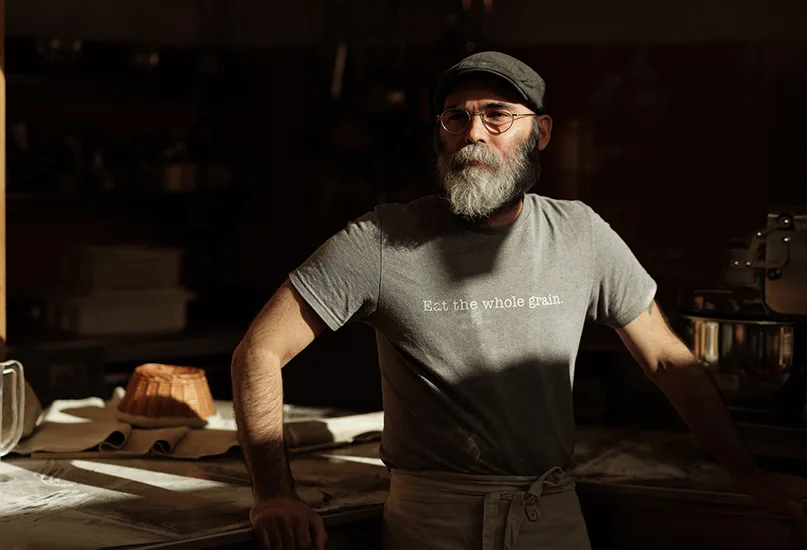
“At GAIL’s, innovation is shaped by the communities, ingredients, and partnerships all connected to our bakeries,” introduces Anomarel Ogden, Group Executive Head Baker.
For GAIL’s, regionality is not simply a trend; it is part of the living nature of bread, where the best loaves are made from the perfect balance of a farmer, miller, and baker working together.
“This influences how we approach product development – from exploring different grain varieties and fermentation methods, to adapting recipes around the availability of seasonal ingredients,” he adds.
By collaborating closely with regional producers, GAIL’s can experiment with ingredients that reflect the quality and character of the land they came from, whilst also supporting biodiversity and local supply chains.
A reflection of the company’s flexible approach to its ingredients which values authenticity, GAIL’s aims to work with nature to ensure quality, nutrition, and authenticity remain central to everything it bakes.
THE EVOLVING CUSTOMER
As Group Executive Head Baker at GAIL’s, Ogden has personally seen the UK’s food and beverage industry evolve significantly over the last year, presented with countless challenges and opportunities.
“The industry and consumers alike are increasingly far more conscious of provenance, sustainability, and the journey behind food,” Ogden reflects.
He goes on to note how people no longer want food to be anonymous, but want to know where it came from, who made it, and, most importantly, whether it was made with care.
Having navigated ever-changing complexities across both the environment and economy, GAIL’s has come to understand how it is vital to prioritise building strong relationships in local communities.
“That’s one of the many reasons why we choose to support local sourcing and regenerative practices, to ensure we keep transparency, trust, and our passion for positive change at the heart of our craft,” Ogden emphasises.
He explains how this was not in response to a trend, but a return to a time-old philosophy – food as nourishment, a point of connection, and social responsibility.
Ogden also reflects on the bakery’s understanding of change in its customers’ requirements, who are becoming increasingly health-conscious and placing more emphasis on ingredients that meet their nutritional needs and how the food makes them feel.
Whilst some may see this change as a challenge, GAIL’s sees it as an opportunity – a way to nourish the body as well as the soul through baking, using a diverse array of ancient and heritage grains in its breads to support a happier, healthier gut.
“The industry and consumers alike are increasingly far more conscious of provenance, sustainability, and the journey behind food”
Anomarel Ogden, Group Executive Head Baker, GAIL’s
BALANCING BUSINESS WITH QUALITY
GAIL’s is successfully balancing the scalability of being a national bakery chain whilst maintaining the authenticity and variability that comes from working with regional suppliers and heritage grains.
“Quality can no longer be separated from growth and it’s essential to us that, as we scale, the humanity and care that are integral to GAIL’s remain at the heart of how we work,” Ogden insights.
As such, the bakery actively collaborates with a network of trusted producers, farmers, millers, and suppliers, ensuring that over 80 percent of its ingredients are grown or made in the UK.
Ogden explains a common misconception that scale is often assumed to dilute care, when, in fact, production in high quantities has the capacity to make change that isn’t possible at a small scale.
The real question is whether GAIL’s’ growth is delivering coherent change, and whether the same level of care for soil, grains, people, and flavour can move through a larger system.
The company’s growth has not changed its priorities, instead, it has enabled GAIL’s to gain a greater awareness of its responsibility when it comes to supporting farmers, teams, and customers.
“That’s why we work closely with each one of our suppliers, taking a flexible approach to what and how we bake.”
Ogden is aware that it may not be the easiest way to operate, yet respecting natural variation and backing local suppliers ensures quality will always come first.
“Natural variation is not something to remove; it is often where the life and character of an ingredient or product shows itself,” he outlines.
“Quality can no longer be separated from growth and it’s essential to us that, as we scale, the humanity and care that are integral to GAIL’s remain at the heart of how we work”
Anomarel Ogden, Group Executive Head Baker, GAIL’s
THE FUTURE OF GAIL’s
At GAIL’s, there is no such thing as a ‘finished’ recipe – a principle which keeps its bakers and product developers exploring different grains or letting fermentation do its thing to bring out a deeper flavour.
“A recipe is not static – it is a conversation between the baker, ingredient, season, and the person who will eat it,” Ogden reflects.
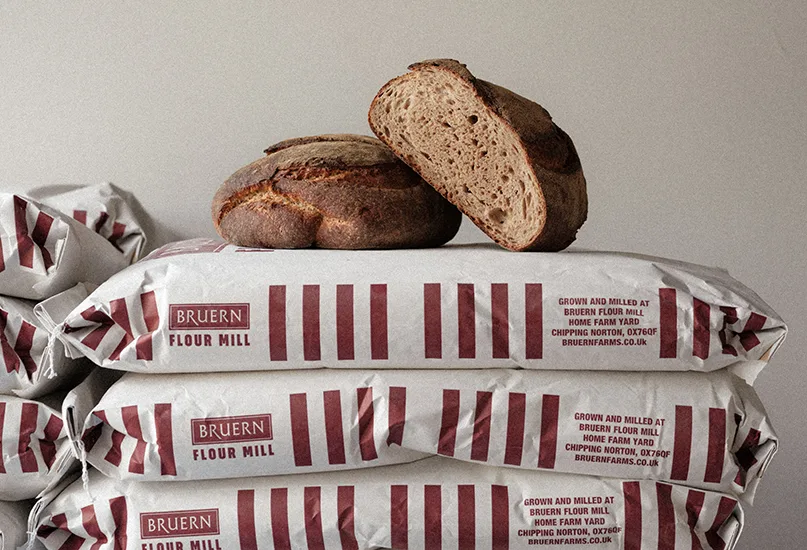
Indeed, when it comes to sourcing, GAIL’s ensures it works with farmers who use regenerative practices, planting diverse heritage grains like Miller’s Choice, Solina, and population wheat.
The company also supports crop rotations that restore soil health, improve biodiversity, and prioritise what the land needs.
The recent shift in modern tastes aligns with something GAIL’s already stood by – flavour, provenance, and craft.
Now, its job is to continue evolving in a way that is truly meaningful, allowing the company to continue to honour the soil, farmers, bakers, and customers who have been at the heart of the business for over twenty years.
“Relevance does not mean chasing novelty. It means staying curious, attentive, and connected to the life of the ingredients we use.
“The future of baking will belong to those who can reconnect what has been lost in recent times: farming from food, nutrition from pleasure, growth from care, and quality from responsibility.”
As such, GAIL’s remains wholly focused on making good-quality food more accessible, without compromising where it comes from or how it’s made, ensuring that, as it scales, the heart of the business stays focused on building relationships and trust.
“We want to have a beneficial and constructive impact on baking, sourcing, and farming everywhere we operate, demonstrating that – even through expansion – quality, sustainable ingredients, and putting the community first can remain central.
“Growth is only meaningful if it allows us to care for more people, farmers, and land,” Ogden passionately concludes.
It is for this reason that the evolving food and beverage landscape is not scary for GAIL’s – rather, it is a continuation of the path they were already on.
This article was produced by the editorial team at Food & Beverage Outlook and published as part of the Outlook Publishing global network of B2B industry magazines.
Outlook Publishing delivers industry insights, company stories, and sector coverage across food production, manufacturing, supply chains, construction, healthcare, mining, and sustainability.
Food & Beverage Outlook provides ongoing coverage of organisations and developments shaping the global food and beverage sector.