



Mars is strengthening the resilience of its European chewing gum supply chain by introducing sustainably sourced natural menthol from India, supporting thousands of farmers whilst embedding climate-smart agriculture into its operations.
Mars is incorporating natural menthol sourced through its Shubh Mint programme into its European chewing gum supply chain, supplying manufacturing facilities in the UK and Poland.
The move marks the latest milestone for the initiative, which was launched in 2017 to improve the resilience of natural mint production whilst creating more sustainable livelihoods for farming communities in Uttar Pradesh, India.
Natural menthol is a vital ingredient across many of Mars’ chewing gum brands. However, with around 80 percent of global natural menthol production concentrated in a single region of India, the supply chain has become increasingly exposed to climate change, declining yields, and rising production costs.
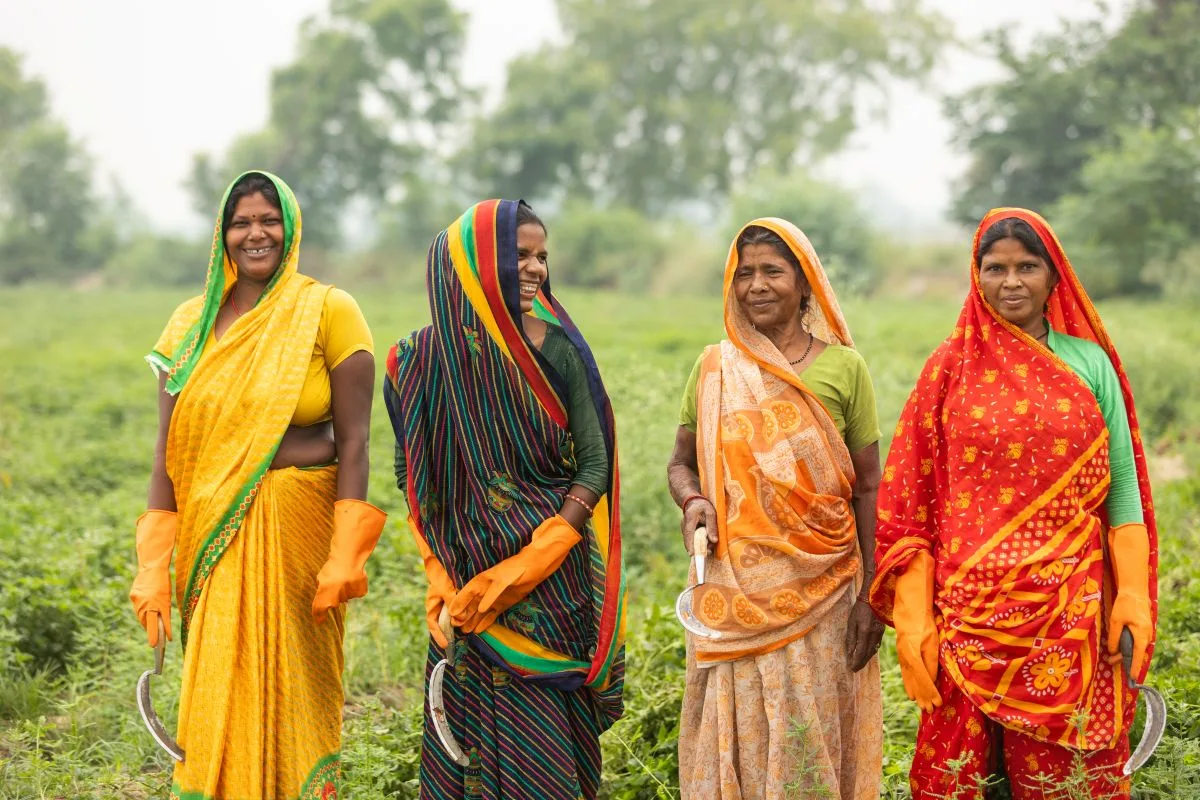
Rather than relying on synthetic alternatives, Mars has invested in strengthening natural mint production, recognising the opportunity to build a more resilient agricultural supply chain whilst supporting the communities that depend upon it.
BUILDING RESILIENCE FROM THE GROUND UP
Developed in partnership with implementation expert Tanager, the Shubh Mint programme began with a two-year research and pilot phase aimed at identifying the factors limiting productivity and farmer incomes.
Climate-smart agricultural techniques and improved planting materials were first introduced through quarter-acre demonstration plots managed by volunteer farmers. This approach encouraged peer-to-peer learning, reduced the risks associated with adopting new practices, and laid the foundations for wider implementation.
“Before the programme started, many mint farming households were struggling to remain profitable. Through Mars’ investment, farmers now have access to the knowledge, practices, and inputs that have significantly improved their profitability. You can really see the difference in how the programme has impacted these mint farming communities,” says Joseph Boulier, Managing Director, Food Systems, Tanager.
CREATING VALUE ACROSS THE SUPPLY CHAIN
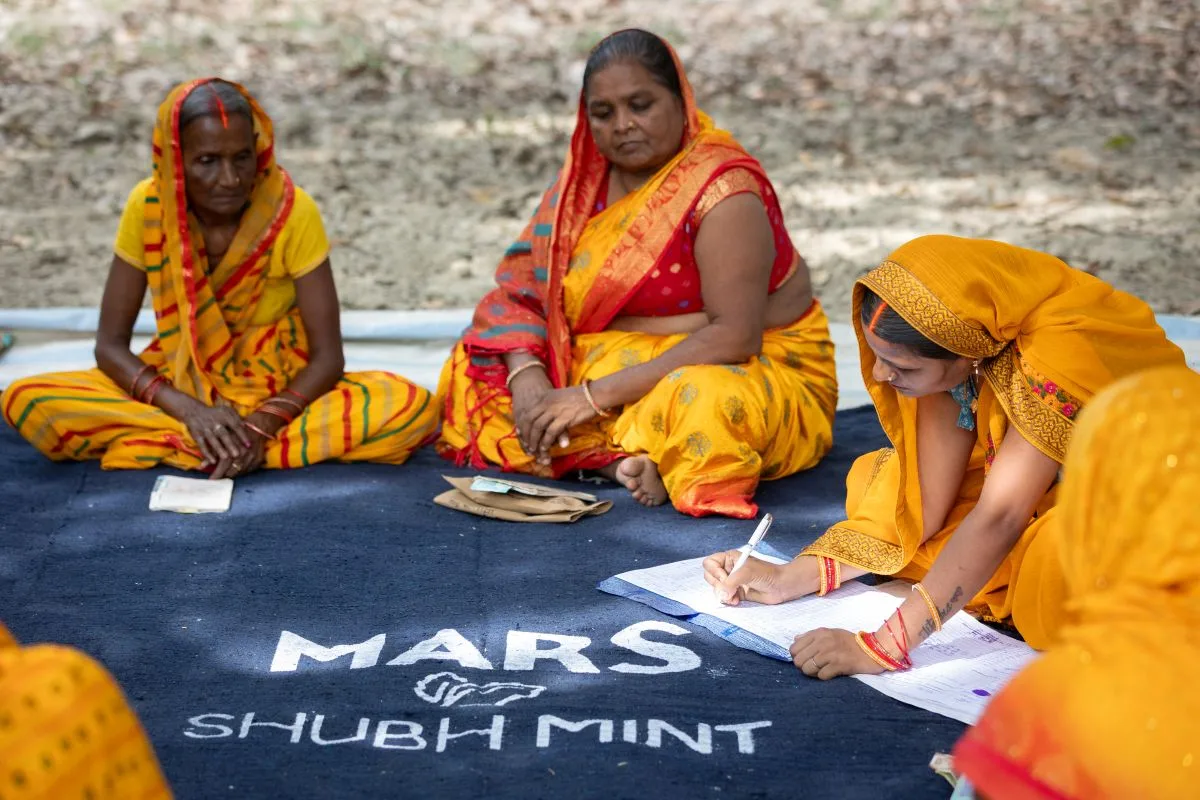
The programme has since evolved into a community-wide initiative, expanding participation through Farmer Producer Companies whilst creating additional opportunities for women through self-help groups.
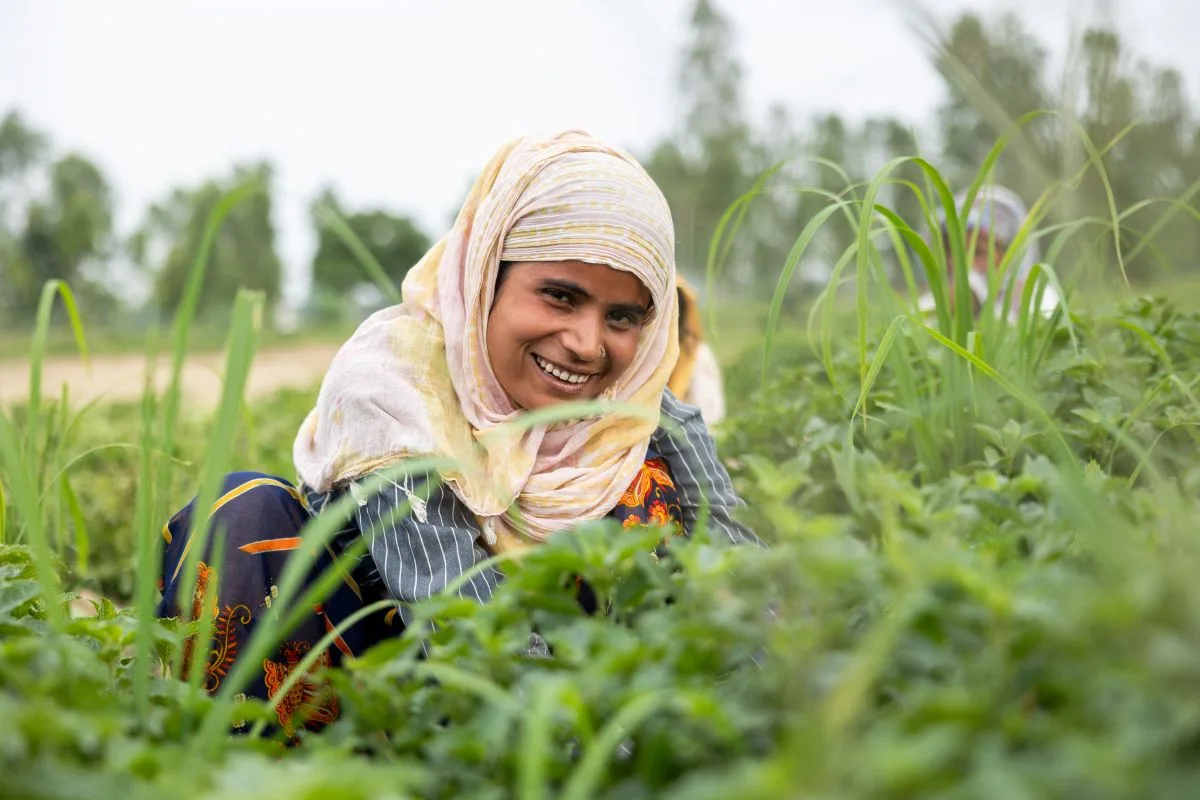
To date, more than 24,000 farmers have participated in the programme, with mint incomes more than doubling. Alongside this, over 8,500 women have received training in climate-smart agricultural practices to support farming as a family business.
More than 1,000 women have gone on to establish independent income-generating enterprises, including retail businesses, tailoring, and dairy farming, whilst more than 4,500 have participated in self-help groups focused on financial literacy and confidence building.
Climate-smart practices, including improved plant spacing, irrigation systems, intercropping, and fertiliser management, have also reduced mint production costs by around 20 percent whilst improving yields and overall production. These improvements have helped strengthen household incomes whilst increasing the long-term resilience of Mars’ natural menthol supply.
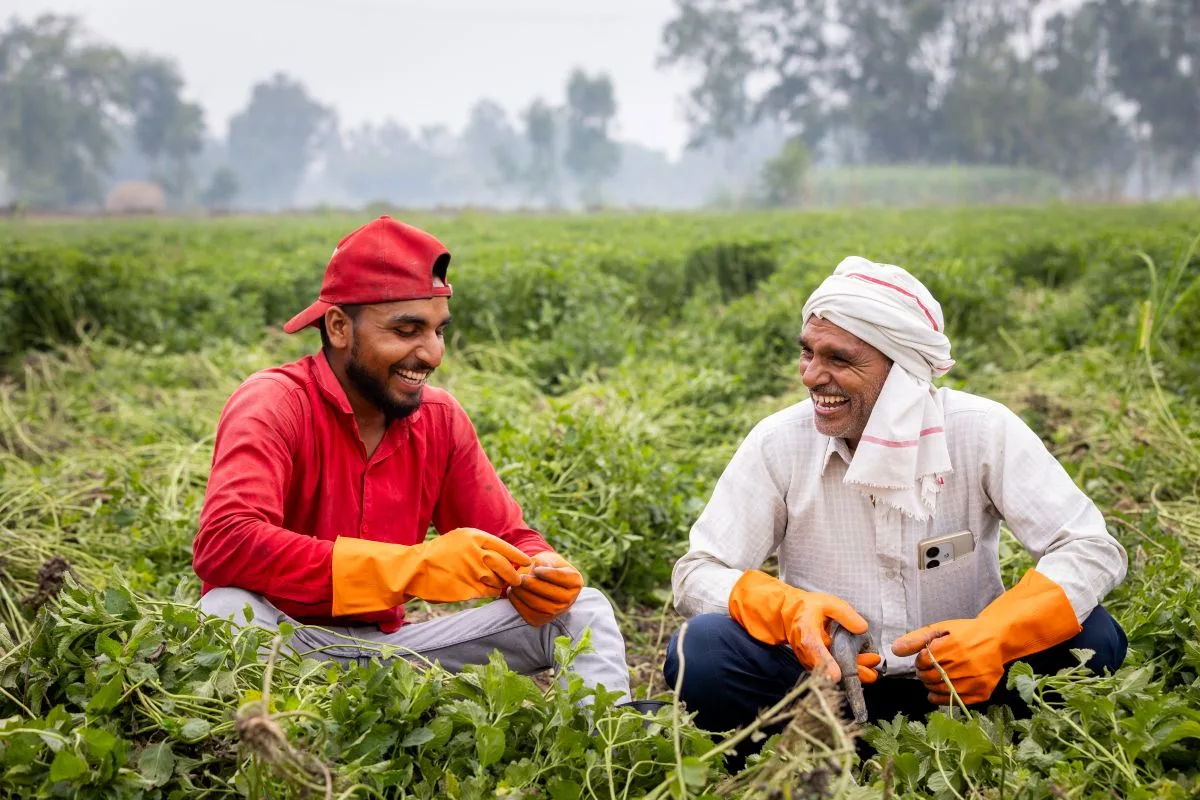
The programme has also enabled the company to establish a traceable supply chain, allowing Shubh Mint to become part of its commercial operations as Mars integrates the ingredient across its European brand portfolio.
“The most meaningful impact of Shubh is seeing women who once identified themselves with a thumbprint now proudly signing their own names. That simple change reflects something far greater: confidence, agency and the belief that they can shape their own futures,” said Meenal Bahirwani, Sustainable Sourcing Lead, Mars Snacking.

“When women thrive, the impact extends far beyond them, strengthening families, inspiring communities, and creating opportunities for the next generation.”
Meenal Bahirwani, Sustainable Sourcing Lead, Mars Snacking
SCALING FOR THE FUTURE
Building on almost a decade of progress, Mars is now expanding the programme through a “full farm” approach designed to help more farmers achieve a verified living income.
Rather than focusing exclusively on mint, the next phase will apply climate-smart farming practices across entire farms, with the aim of improving year-round profitability, diversifying household income, and reducing dependence on a single crop.
“What began as a response to a single, vulnerable ingredient has become a long-term commitment and a replicable blueprint for transforming agricultural systems and empowering communities,” said Sam de Frates, VP Commercial and Sustainability, Mars Snacking Europe and Central Eurasia.

“The Mars Shubh Mint programme shows how sustainability and business performance go hand in hand. By investing in livelihoods and reducing environmental impact, we can build a more resilient and efficient supply chain.”
Sam de Frates, VP Commercial and Sustainability, Mars Snacking Europe and Central Eurasia
As Mars continues to embed Shubh Mint throughout its European operations, the programme demonstrates how investment in sustainable agriculture can strengthen supply chain resilience while delivering long-term environmental, social and commercial value.
This article was produced by the editorial team at Food & Beverage Outlook and published as part of the Outlook Publishing global network of B2B industry magazines.
Outlook Publishing delivers industry insights, company stories, and sector coverage across food production, manufacturing, supply chains, construction, healthcare, mining, and sustainability.
Food & Beverage Outlook provides ongoing coverage of organisations and developments shaping the global food and beverage sector.