



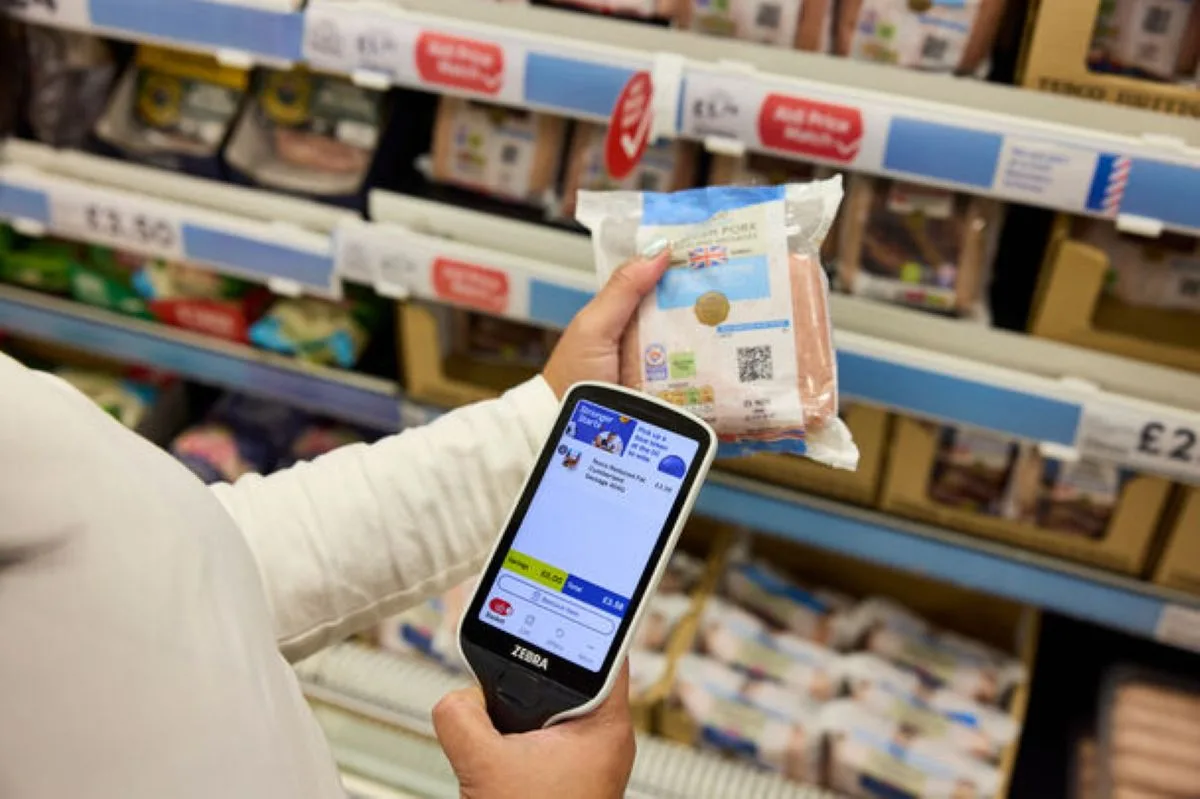
Tesco’s understated but important move to QR codes powered by GS1 UK marks a shift in UK food and beverage retail, elevating the technology from pilot stages to large-scale use.
GS1 QR CODES TRANSITION TO EVERYDAY USE
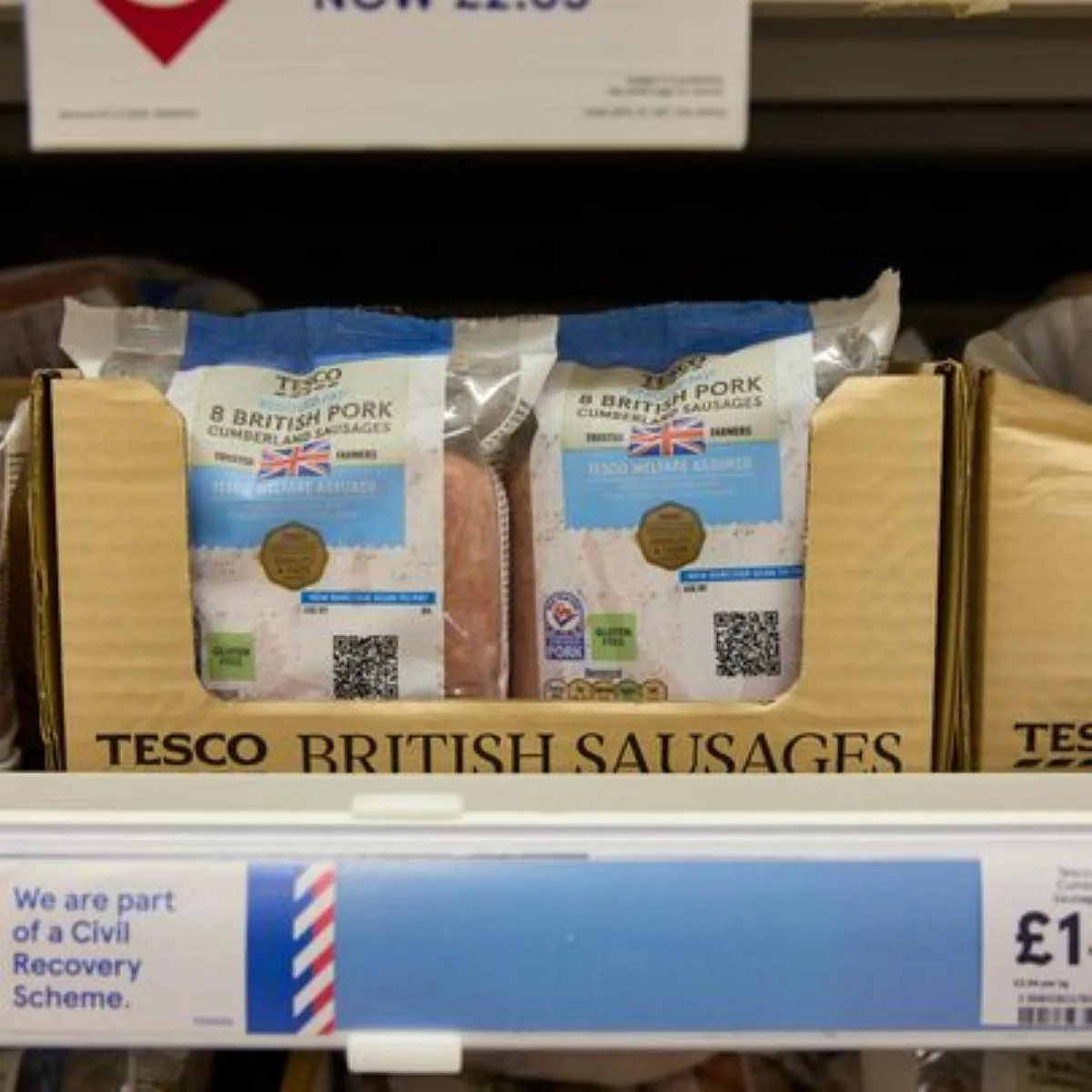
Tesco has become the first UK supermarket to roll out QR codes powered by GS1 UK (GS1) across an entire product line, replacing traditional linear barcodes on its own-label core sausage range.
Although shoppers are unlikely to notice any difference at checkout, the change represents a meaningful shift in how product information is handled behind the scenes. By moving beyond trial phases and applying next-generation barcodes to a live product range, Tesco is demonstrating how QR codes powered by GS1 can be integrated into everyday retail operations.
“We hope this progress encourages others to follow Tesco’s lead so that consumers and businesses alike can benefit from richer, more trusted product information,” she adds.
This development follows two years of industry testing led by GS1 UK in collaboration with retailers and brand partners. These trials explored how the technology could be used reliably and safely in real retail environments and were presented at the 2026 GS1 Global Forum.
Tesco’s decision brings those findings into practice, marking a transition from experimentation to full implementation.

“Tesco moving to QR codes powered by GS1 across an entire range marks a significant step forward for UK retail. It shows how the next generation of barcodes can support a more connected, transparent future.”
Anne Godrey, CEO of GS1 UK
BUILDING ON ESTABLISHED SYSTEMS
For more than 50 years, linear barcodes have underpinned global retail, enabling consistent product identification, reliable checkout scanning, and efficient supply chain management. That role remains important and continues to function effectively.
However, demands on product data have evolved. Expectations around transparency, accuracy, and responsiveness have increased, whilst physical packaging space has remained limited. Retailers are now required to manage significantly more detailed information, including expiry dates, batch data, sourcing details, and sustainability credentials.
QR codes powered by GS1 have been identified as a solution to these challenges. Linked to GS1 identifiers such as Global Trade Item Numbers (GTINs), they enable access to trusted digital information that can be updated in real time whilst still functioning at the checkout.
Rather than replacing existing barcodes outright, this approach allows the technology to develop in line with changing needs.
STRENGTHENING OPERATIONAL CAPABILITIES
The primary benefits of QR codes powered by GS1 lie in their operational impact. By improving the capture of batch and date information, retailers gain better visibility of products in store. This supports more accurate inventory management, improved stock rotation, and a reduction in food waste.
In the case of product recalls, the technology enables more targeted action. Instead of removing entire product lines, retailers can isolate specific affected batches, reducing disruption whilst maintaining safety and availability.
On top of these operational advantages, the technology also enhances access to product information for shoppers. As adoption increases, consumers will be able to use their smartphones to access more detailed, up-to-date information without any change to how they shop or pay.
Over time, this may support the development of additional digital tools to help consumers make informed decisions and manage products more effectively at home.
MOVING FROM TRIALS TO EVERYDAY USE
Tesco’s rollout builds directly on insights gained during earlier pilot programmes.
Over the past two years, GS1 UK has worked with its members to test the performance of QR codes powered by GS1 in real retail settings, ensuring they can be implemented in a way that is reliable, scalable, and interoperable.
Whist earlier trials addressed questions around feasibility, Tesco’s adoption demonstrates how the technology can operate as part of standard retail processes.
Speaking at the beginning of the trial, Isabela De Pedro, Supply Chain Development Director for Tesco, highlighted the initial impacts of the rollout that were already having tangible benefits.
“While it’s still early days, we’re already seeing the benefits of connecting our products to dynamic digital information that will help customers to know more about the products on our shelves.
“As well as improving the customer experience and unlocking new supply chain value, we are testing how QR codes can help Tesco with issues including traceability, compliance, sustainability, and shelf-edge communication.”
This type of gradual, collaborative change reflects how developments are typically embedded within the retail sector through testing, validation, and eventual integration into everyday operations.

IMPLICATIONS FOR THE WIDER INDUSTRY
Tesco’s move serves as a practical example of how QR codes powered by GS1 can be introduced across a live product range using existing standards and infrastructure. It also reflects a broader industry direction towards improved data, transparency, and digital connectivity.
For many businesses, the key challenge is not understanding the direction of travel but determining how to prepare effectively as expectations continue to evolve.
The shift towards QR codes powered by GS1 forms part of a wider, industry-led transition that is already underway. GS1 continues to work with retailers and manufacturers to support adoption in a structured and collaborative way.
Traditional barcodes will remain in use during this transition period. Tesco’s approach highlights how GS1 standards can adapt to new requirements while maintaining continuity where it is needed.
This article was produced by the editorial team at Food & Beverage Outlook and published as part of the Outlook Publishing global network of B2B industry magazines.
Outlook Publishing delivers industry insights, company stories, and sector coverage across food production, manufacturing, supply chains, construction, healthcare, mining, and sustainability.
Food & Beverage Outlook provides ongoing coverage of organisations and developments shaping the global food and beverage sector.