


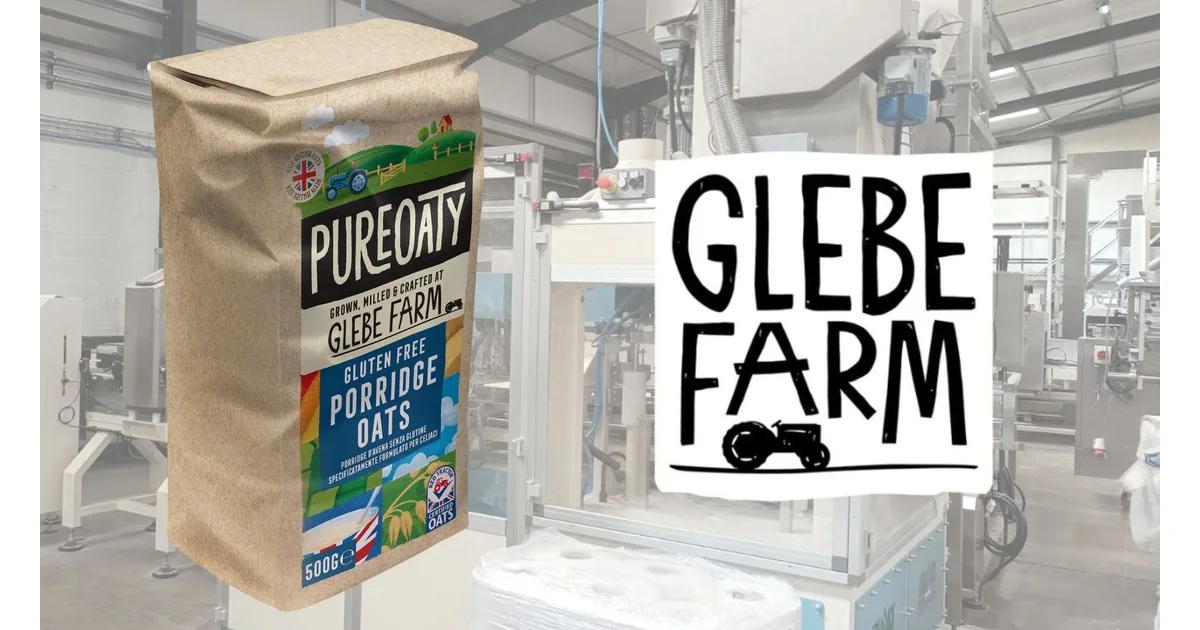
UK oat-based food and drink manufacturer Glebe Farm Foods has introduced new recyclable paper packaging for its PureOaty porridge oats range following investment in on-site packaging technology aimed at supporting more sustainable food production and reducing packaging waste.
- Glebe Farm Foods invests in recyclable paper packaging technology
- Packaging shift reflects changing consumer expectations
- Vertical integration supports traceability and lower environmental impact
- Renewable energy and circular production initiatives continue
- Regional funding supports sustainable manufacturing investment
Glebe Farm Foods invests in recyclable paper packaging technology
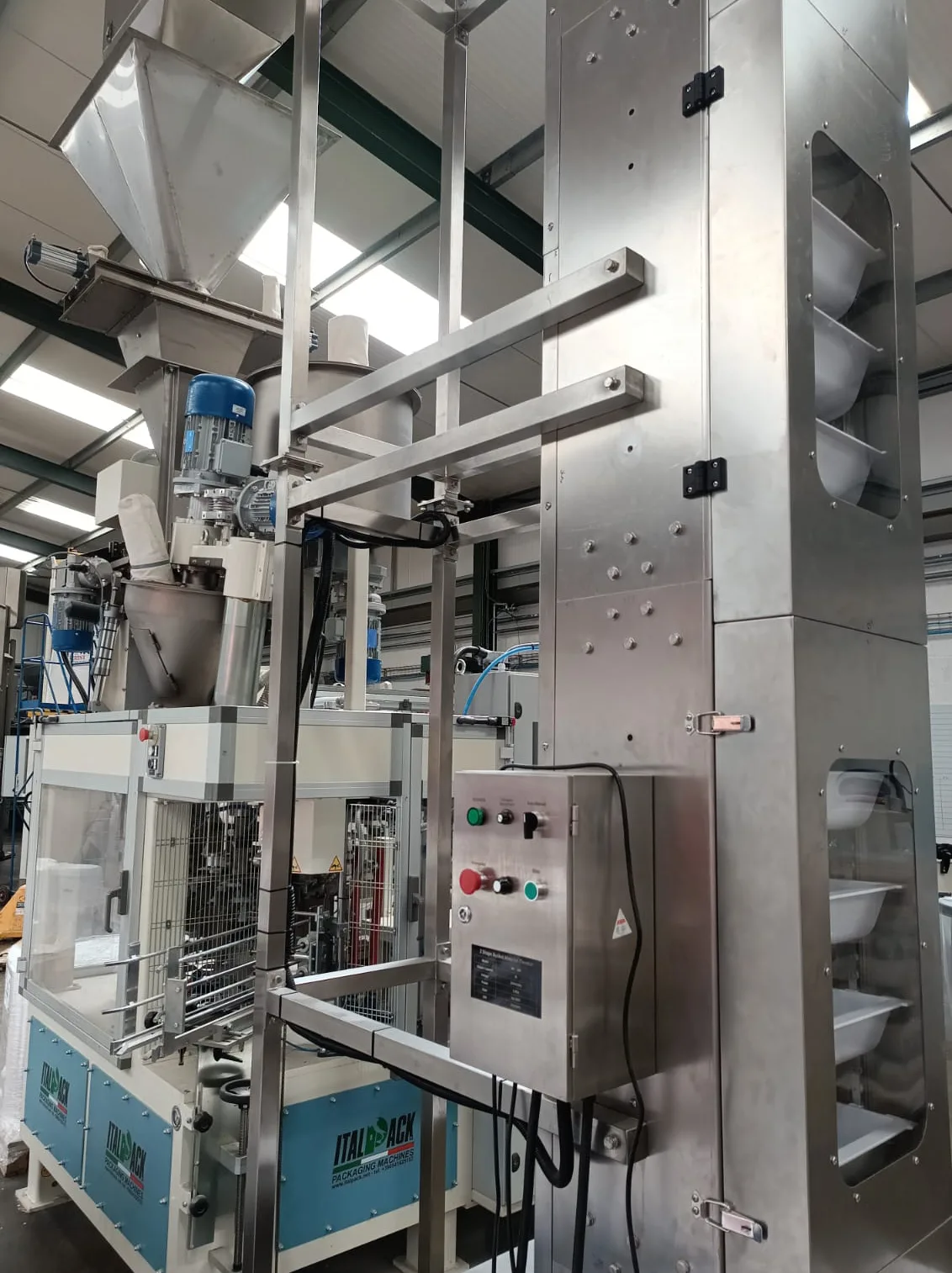
Glebe Farm Foods has installed a new on-site paper packaging machine as part of its wider sustainability strategy, enabling the company to trial recyclable paper packaging across its retail oat product range.
The investment was part-funded through Huntingdonshire District Council’s Rural England Prosperity Fund (REPF), which supports rural business investment in equipment, facilities and economic growth initiatives.
The company’s flagship PureOaty porridge oats are the first products to undergo the paper packaging trial and are now available in recyclable paper bags alongside the existing packaging format.
Packaging shift reflects changing consumer expectations
Glebe Farm Foods said the move toward paper packaging reflects growing consumer demand for recyclable alternatives to plastic packaging within the food and beverage sector.
The new paper bags are made from responsibly sourced materials and are fully recyclable, with disposal guidance clearly displayed on pack.
“We’re always looking for ways to be more sustainable as a food and drink manufacturer, and moving to paper packaging is an important step for us,” said Philip Rayner, Managing Director and Co-Founder of Glebe Farm Foods.
“Today’s shoppers are making more conscious choices, actively seeking out recyclable packaging and moving away from brands that rely on unnecessary plastic – a move which we are delighted to see. But we truly believe new paper packaging isn’t just good for business; it’s the right thing to do for our customers and the planet.”
Vertical integration supports traceability and lower environmental impact
Glebe Farm Foods said its vertically integrated supply chain model supports both product traceability and environmental performance.
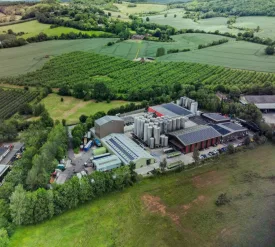
Unlike many food manufacturers, the company grows and mills its own oats or sources them from farmers located within a 70-mile radius before packaging products on site, this allows products to be traced from field to shelf while reducing environmental impact across sourcing and production operations.
The addition of paper packaging capability also creates potential opportunities to support other food and beverage brands seeking to transition to more sustainable packaging formats without investing in their own machinery.
Renewable energy and circular production initiatives continue
The paper packaging investment forms part of a broader sustainability programme implemented by the company in recent years.
The entire production process is powered by renewable energy, including three biomass boilers fuelled by by-products from oat milling operations, eliminating the need for fossil fuels and the company has also expanded its solar generation capacity through the installation of an additional 467kW of roof-mounted solar panels.
Regional funding supports sustainable manufacturing investment
Huntingdonshire District Council said the Rural England Prosperity Fund was designed to help rural businesses strengthen productivity and invest in sustainable technologies.
“Through the Rural England Prosperity Fund, we were pleased to support Glebe Farm Foods in investing in innovative, sustainable technology,” said Mike Gildersleeves, Deputy Chief Executive and Corporate Director for Place at Huntingdonshire District Council.
“This project demonstrates how targeted grant funding has helped rural businesses enhance productivity, reduce environmental impact, and strengthen Huntingdonshire’s reputation as a place where forward-thinking businesses can grow and thrive.”
This article was produced by the editorial team at Food & Beverage Outlook and published as part of the Outlook Publishing global network of B2B industry magazines.
Outlook Publishing delivers industry insights, company stories, and sector coverage across food production, manufacturing, supply chains, construction, healthcare, mining, and sustainability.
Food & Beverage Outlook provides ongoing coverage of organisations and developments shaping the global food and beverage sector.