


General Mills has published its 2026 Global Responsibility Report, detailing progress across its key focus areas of Food, Planet and People during fiscal 2025, including expanded regenerative agriculture efforts, emissions reductions and charitable giving.
General Mills advances sustainability goals across food, climate and community impact
The report marks the company’s 56th year of reporting on environmental and social impact and highlights sustainability as part of the Standing for Good pillar of its Accelerate business strategy.
Jeff Harmening, Chairman and CEO of General Mills, said: “For 160 years, we’ve been making food the world loves while ensuring the ‘G’ in our logo stands for Good.”
He added: “Standing for Good is a key element of our enterprise strategy, which aims to drive sustainable growth and long-term value for our stakeholders.”

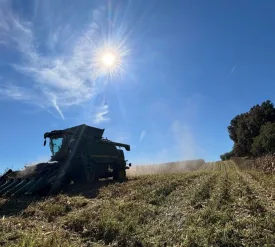
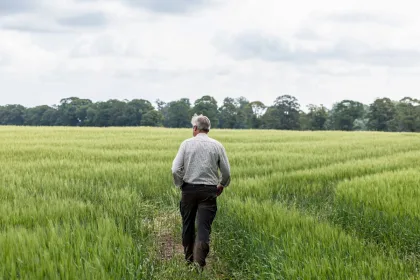
Regenerative agriculture programme surpasses 800,000 acres
General Mills said it has now engaged more than 800,000 acres in its regenerative agriculture programmes, representing more than three-quarters of the way toward its 2030 commitment.
Harmening said the company continues to invest in landscapes and ecosystems because: “As a food company, General Mills depends on the health and well-being of our planet, so we continue to invest in landscapes and ecosystems to build resilience for nature, climate and communities.”
Emissions reductions and zero waste milestone strengthen climate progress
The company reported a 14% reduction in total value chain greenhouse gas emissions through 2025, alongside a 55% reduction in Scope 1 and 2 emissions compared with its 2020 baseline.
General Mills also announced it has achieved its zero waste to landfill commitment, originally set in 2016, meaning all waste from wholly owned manufacturing facilities globally is now recycled, reused or recovered for energy.
Harmening said: “In 2025, we advanced progress on our planetary commitments, including regenerative agriculture, climate action and recyclable packaging. We also achieved zero-waste-to-landfill at our owned manufacturing facilities globally, further reducing environmental impact.”
Packaging recyclability reaches 95%
As part of its packaging sustainability efforts, General Mills said 95% of its packaging is now recyclable or reusable by weight.
It remains the largest producer of natural and organic packaged food in the U.S., with one in 10 North American products certified organic or made with organic ingredients.
Harmening said: “We proudly have the largest natural and organic food portfolio in the U.S. and are the leading provider of whole grains to Americans.”
The company also noted that 21% of its U.S. retail volume contained a good source of dietary fibre in fiscal 2025.
Food donations exceed $83m globally
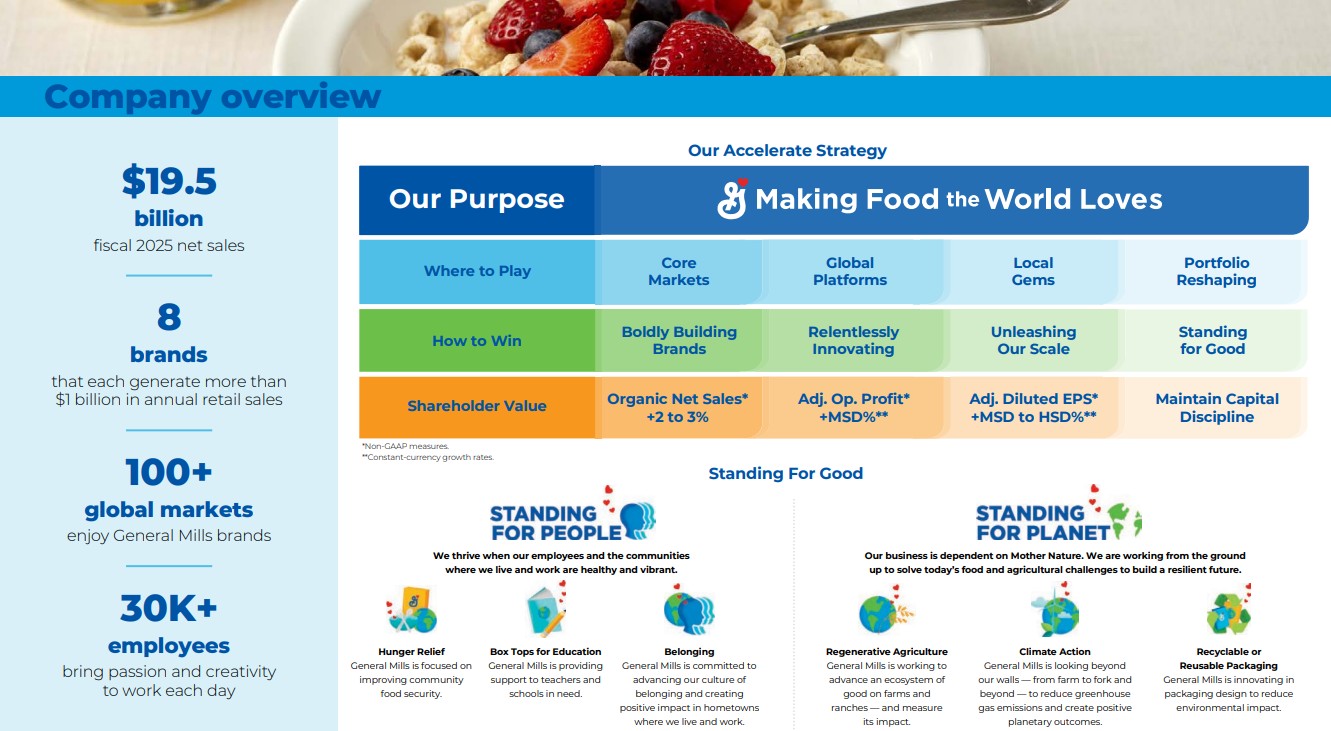
Under its People commitments, General Mills said it contributed more than $83 million in food and charitable donations worldwide during fiscal 2025.
The business also said it enabled more than 7.9 billion meals through philanthropic partners.
Additionally, 86% of employees reported General Mills as a great place to work, while 82% said they feel a strong sense of belonging.
Transparency remains central to reporting strategy
Harmening said General Mills remains committed to open reporting on its progress and challenges.
He said: “In our 56th year of reporting social and environmental performance, we remain committed to disclosing our progress, as well as our challenges.”
He added: “I’m energized and inspired by what we have done and remain committed to the strategies in place to continue to provide families with food they love while standing for good.”
This article was produced by the editorial team at Food & Beverage Outlook and published as part of the Outlook Publishing global network of B2B industry magazines.
Outlook Publishing delivers industry insights, company stories, and sector coverage across food production, manufacturing, supply chains, construction, healthcare, mining, and sustainability.
Food & Beverage Outlook provides ongoing coverage of organisations and developments shaping the global food and beverage sector.