





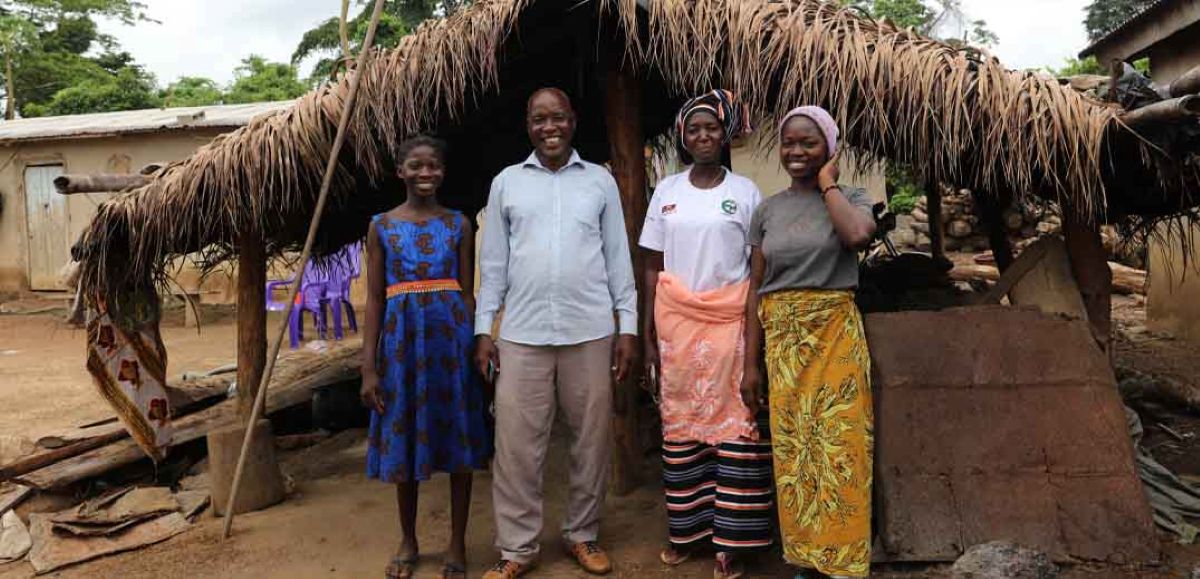
Reaching 45,000 cocoa-farming households, the Nestlé Income Accelerator Programme has increased cocoa yields by four percent, increased cocoa income by 190 percent, and boosted women’s empowerment by 114 percent across Côte d’Ivoire since its launch in 2022.
STRONGER OUTCOMES FOR COCOA FARMERS
An independent evaluation by the KIT Institute has found that Nestlé’s Income Accelerator programme continues to generate positive results for cocoa-farming households in Côte d’Ivoire, with improvements recorded across productivity, income, women’s empowerment, and household resilience.
The assessment examined almost 2,000 households participating in the programme during its test-at-scale phase, which began in 2022. According to the findings, participating households achieved a four percent increase in cocoa yields measured in kilograms per hectare, whilst yields amongst comparable households declined by 16 percent over the same period. This equates to a 20-percentage point difference in performance.
During the challenging 2024/2025 cocoa season, households enrolled in the programme produced an average of 2,116 kilogrammes of cocoa, approximately 500 kilogrammes more than similar households outside the initiative. The report suggests these results demonstrate greater resilience in the face of difficult weather conditions and fluctuating cocoa markets.
The study also highlighted significant social impacts. The proportion of women considered empowered more than doubled compared to 2022, increasing by 114 percent and exceeding comparable communities by 66 percentage points. Participation in village savings and loans associations also rose by 23 percentage points amongst women involved in the programme.
BUILDING HOUSEHOLD RESILIENCE
The report attributes many of these gains to the programme’s integrated model, which combines farm support, household support, and conditional cash transfers.
According to KIT Institute’s evaluation, increased adoption of good agricultural practices alongside greater involvement of women in household financial decision-making contributed to improvements in cocoa productivity, income, and overall household well-being.

Additionally, food insecurity declined by eight percentage points amongst participating households, whilst dietary diversity and ownership of productive assets improved. Savings levels also increased substantially, with participating households recording gains that were 272 percentage points higher than those seen in the comparison group.
The study also found cocoa income amongst participating households rose by 190 percent, driven by strong increases in cocoa revenues. In addition, the reliability of cash transfer payments improved during the evaluation period.
Despite these advances, the report notes that income diversification has yet to increase significantly. However, it concludes that the programme is helping establish the foundations required for future diversification, which could provide farming families with greater protection from market volatility and other external shocks.
Commenting on the findings, Stéphane Detaille, Head of ESG for Confectionery & Snacking Strategic Business Unit at Nestlé, said: “These findings validate our pioneering approach to helping cocoa-farming families in West Africa close the gap to a living income.
“They show that rewarding effective farm practices, strengthening women’s empowerment, and building household resilience deliver encouraging results and must go hand-in-hand to deliver lasting impact. They also help us identify where to focus next – particularly on income diversification and protection against future shocks – as we further scale the programme to more cocoa-farming families.”
LOOKING TO THE NEXT PHASE
Over the coming 12 months, the KIT Institute plans to explore the factors behind yield improvements in greater depth, including the adoption of regenerative agriculture practices, income diversification, and school attendance.
The evaluation draws on four rounds of household survey data collected between 2022 and 2025. Participating households were compared with similar households in cooperatives receiving alternative sustainability support. The analysis was conducted against a backdrop of climate volatility, disease pressure, rising production costs, and wider changes affecting the cocoa sector.
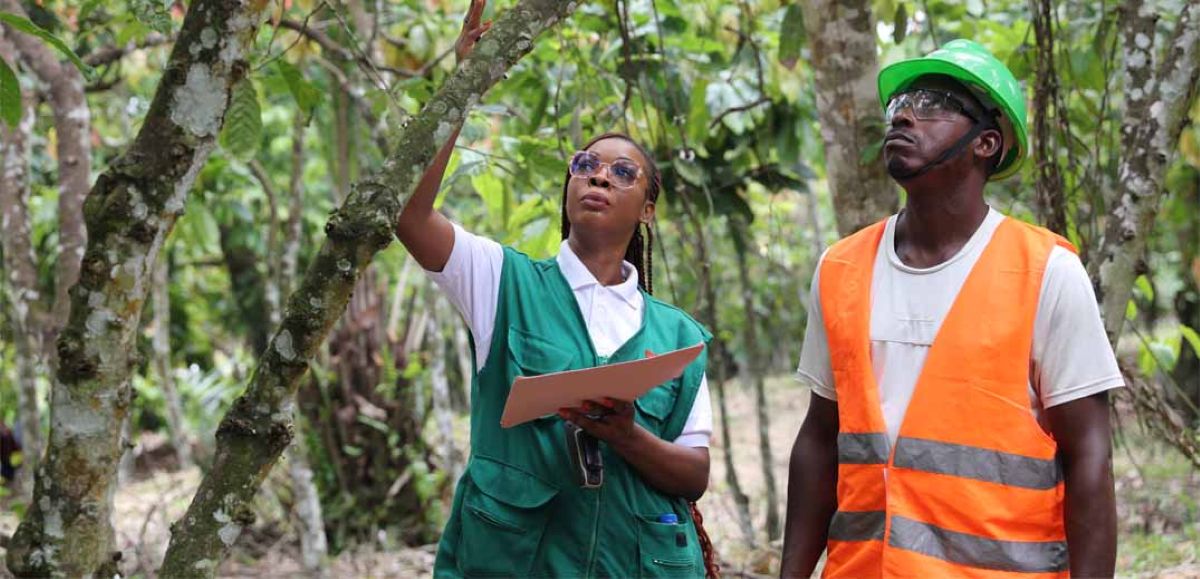
As the programme develops, Nestlé is also expanding its collaborative efforts across the industry. This includes its role as a co-founder of the TogetherCocoa Foundation, which seeks to strengthen cooperation across the cocoa sector, help address the living income gap, and improve the long-term resilience of cocoa supply chains.
The company is increasing its engagement with the foundation as it continues to expand the reach of the Income Accelerator programme.