Lily Sawyer is an in-house writer for Food & Beverage Outlook Magazine, where she is responsible for interviewing corporate executives and crafting original features for the...
- Senior Editor
Share
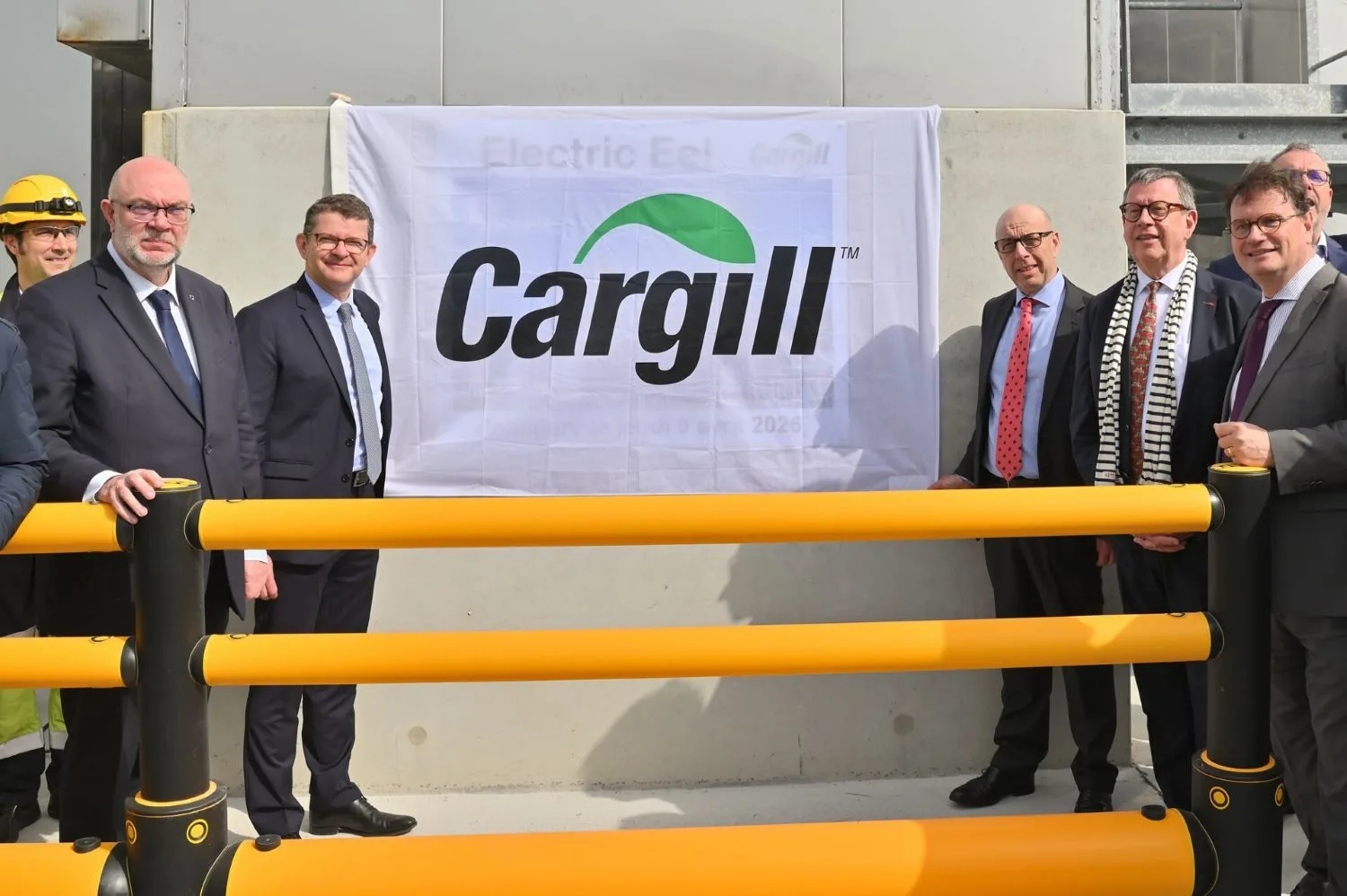
Cargill’s Baupte facility in France has achieved a 45 percent reduction in CO2 emissions through a €25 million modernisation, boosting efficiency, strengthening industrial performance, and supporting wider sustainability ambitions.
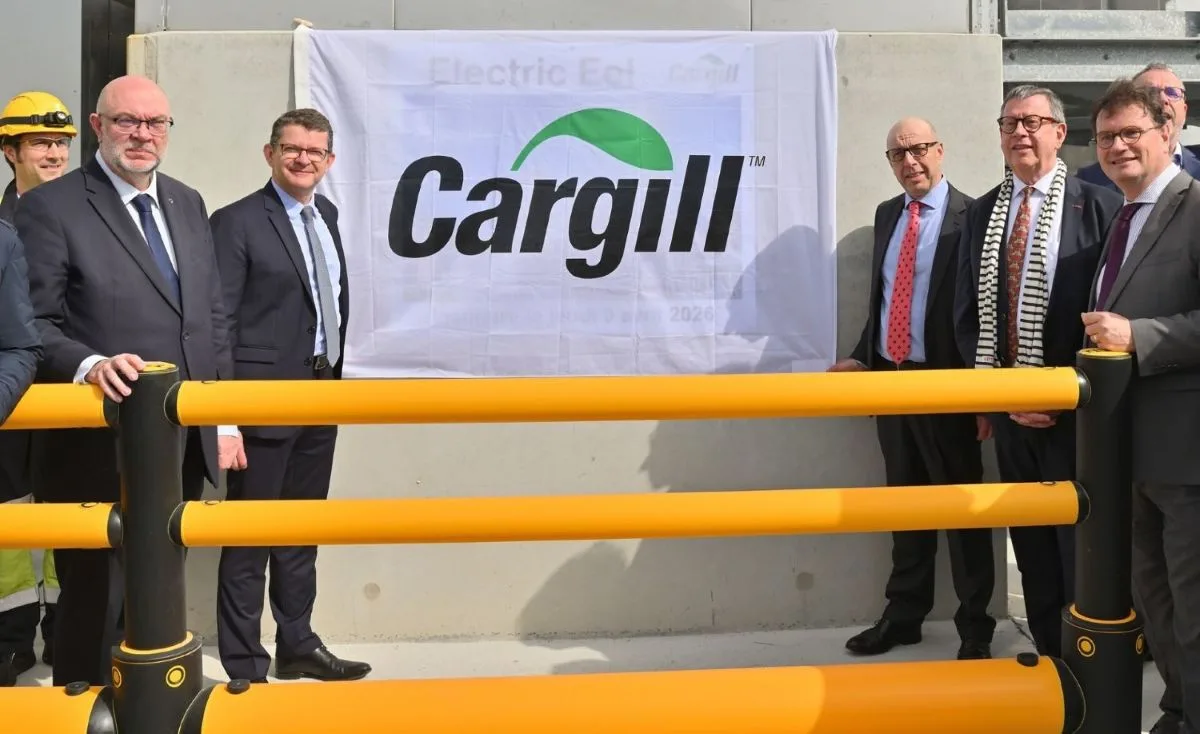
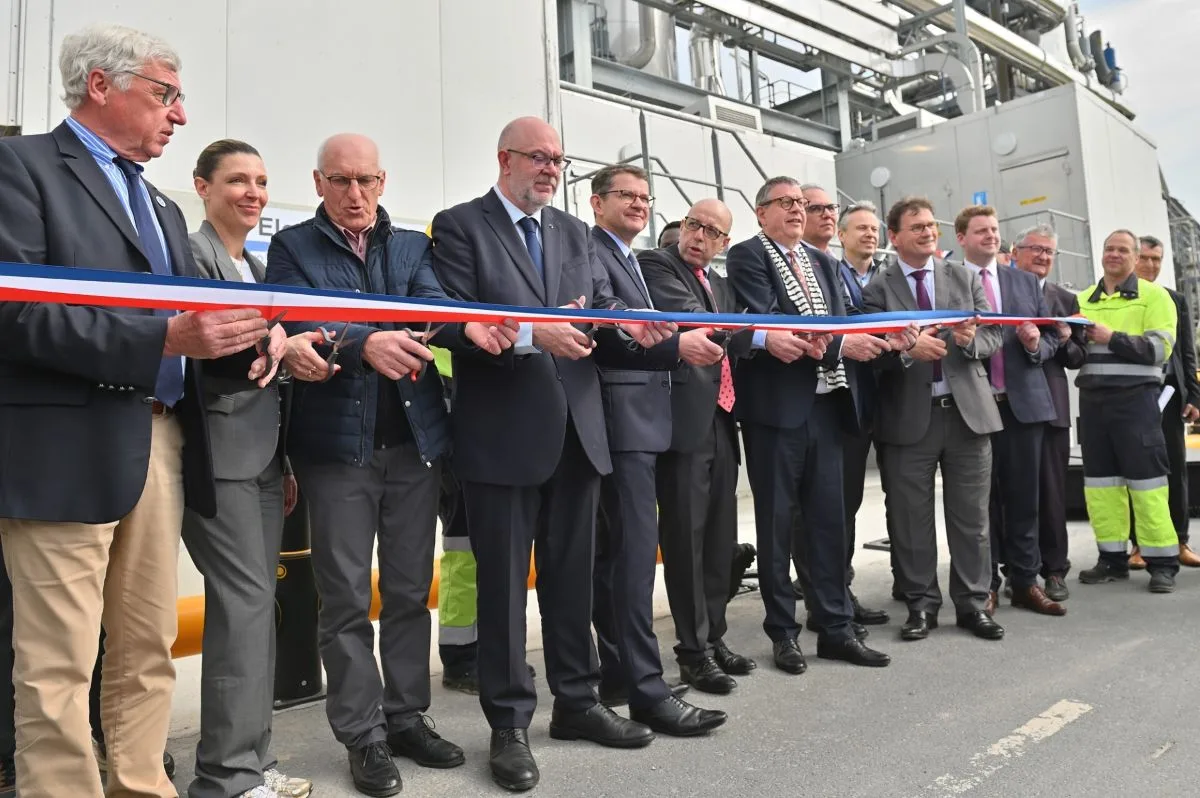
Cargill has taken a significant step forward in its sustainability journey with the successful modernisation of its Baupte site in Normandy, France.
Backed by an investment of approximately €25 million, the project has delivered a 45 percent reduction in total site CO2 emissions, marking a major milestone in improving operational efficiency whilst reducing environmental impact.
At the heart of the initiative is the transformation of one of the site’s most energy-intensive processes, demonstrating how targeted technological upgrades can unlock substantial emissions savings without compromising performance.
INNOVATION THROUGH ELECTRIFICATION
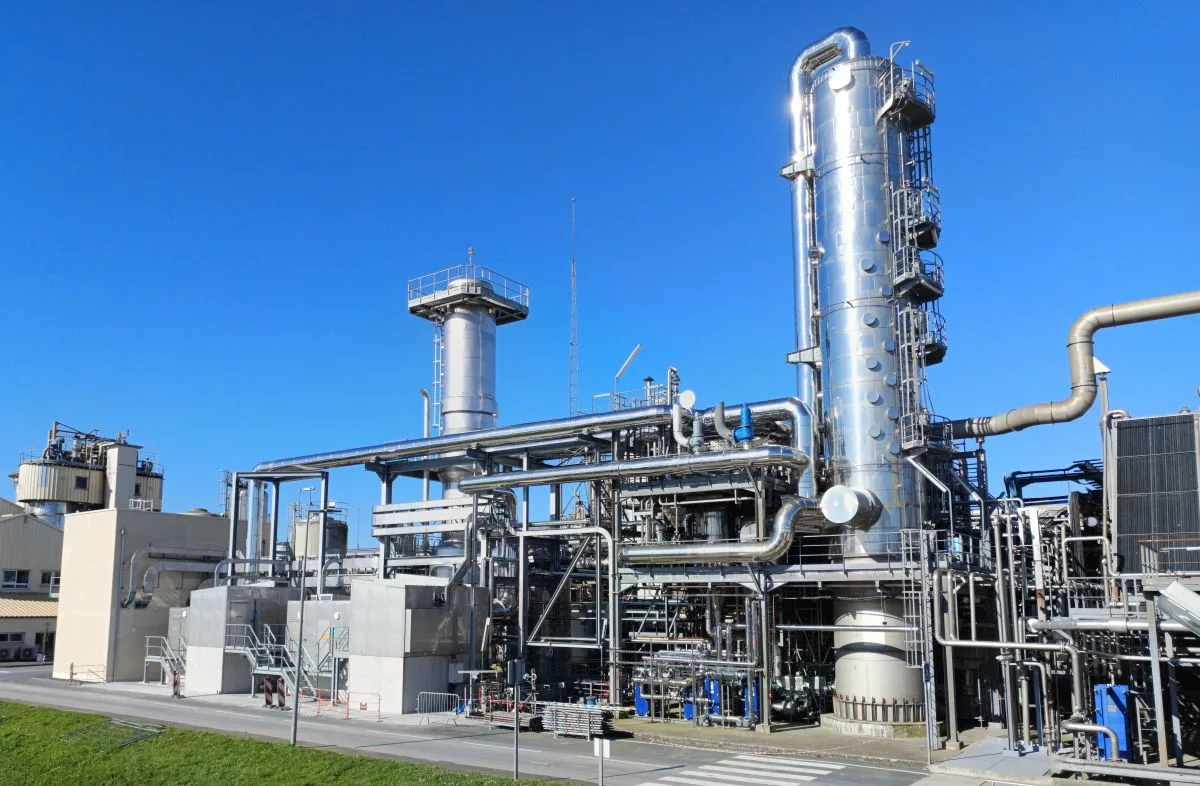
Central to the upgrade is the introduction of Mechanical Vapor Recompression (MVR) technology. This advanced system replaces traditional natural gas-based steam generation with an electrically driven solution that captures, recompresses, and reuses vapours generated during production.
By turning waste vapours into a primary heat source, the system significantly enhances energy efficiency, reducing reliance on fossil fuels while maintaining consistent production output. Operating since the end of 2025, the technology is expected to cut emissions by approximately 13,700 metric tons of CO2 annually.
The initiative also aligns with Cargill’s broader global ambition to reduce operational emissions by 25 percent by 2035, reinforcing the company’s commitment to more sustainable industrial practices.
STRENGTHENING INDUSTRIAL PERFORMANCE
Beyond environmental benefits, the modernisation reinforces the Baupte site’s role as a key industrial hub within Normandy and across Europe.
The facility produces carrageenan, biopolymers, and other texturizing solutions used in a wide range of applications, including dairy desserts, cocoa-based drinks, plant-based alternatives, confectionery, sauces, cosmetics, and pharmaceutical products.
By improving energy efficiency and operational resilience, the upgrade ensures the site can continue supporting food manufacturers in developing and reformulating products that meet evolving consumer expectations for texture, stability, and consistency.
SUPPORTING NATIONAL DECARBONISATION GOALS
The project also reflects France’s wider strategy to accelerate industrial decarbonisation through electrification.
Sébastien Martin, Minister Delegate for Industry, highlighted the initiative as a strong example of how competitiveness and sustainability can go hand in hand.
“This system, operating since the end of 2025, reduces emissions by approximately 13,700 metric tons of CO₂ per year, supporting Cargill’s broader global ambition to reduce emissions from its operations by 25% by 2035. The investment also aligns with France’s focus on industrial decarbonization and energy efficiency, whilst reinforcing the role of local manufacturing in delivering more sustainable food ingredient production.”
Established in 1941, the Baupte site employs around 275 people and exports more than 75 percent of its production worldwide, contributing significantly to both the regional economy and Europe’s food ingredient supply chain.
The facility also hosts a dairy-focused Food Innovation Center that supports product development and provides technical expertise for customers.
As part of Cargill’s global network, the site exemplifies how long-standing industrial operations can evolve through innovation, delivering tangible sustainability outcomes whilst continuing to meet the needs of a growing global market.
This article was produced by the editorial team at Food & Beverage Outlook and published as part of the Outlook Publishing global network of B2B industry magazines.
Outlook Publishing delivers industry insights, company stories, and sector coverage across food production, manufacturing, supply chains, construction, healthcare, mining, and sustainability.
Food & Beverage Outlook provides ongoing coverage of organisations and developments shaping the global food and beverage sector.
Lily Sawyer is an in-house writer for Food & Beverage Outlook Magazine, where she is responsible for interviewing corporate executives and crafting original features for the magazine, corporate brochures, and the digital platform.