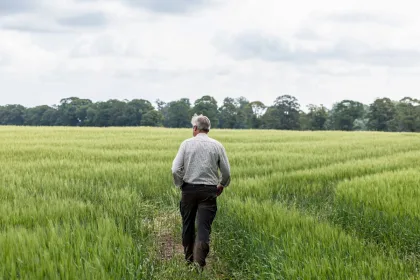




Sainsbury’s multi-year farming strategy is designed to strengthen supply chains and support long-term agricultural investment.
- Long term investment in supplier relationships
- Why Sainsbury’s is investing in long-term supply agreements
- A model built over two decades
- Long-term contracts now expanding into fresh produce
- Supporting innovation through supplier certainty
- Leadership says certainty is critical for producers
- Farmers say stability supports long-term resilience
- What Sainsbury’s supply model signals for the wider food industry
Long term investment in supplier relationships
Sainsbury’s is expanding its long-term farming partnership model as part of a supply strategy that aims to provide farmers with greater certainty while strengthening resilience across its fresh food supply chain.
The UK retailer says its approach will represent £5 billion of committed investment into UK and Ireland agriculture, supporting more than 2,500 farms by 2027 through multi-year agreements covering fresh produce, dairy, meat and poultry.
Under the model, 3.1 million tonnes of Sainsbury’s own-brand fresh products will come from long-term agreements.
Why Sainsbury’s is investing in long-term supply agreements
Sainsbury’s says the strategy is intended to help address increasing volatility facing the agricultural sector, including climate pressures, rising operating costs and global instability.
Long-term agreements provide farmers with the confidence to invest in their operations, sustainability initiatives and innovation.
The company says that by the end of 2026, 60% of products across fresh produce, dairy, meat, fish and poultry will be covered by agreements lasting more than five years.
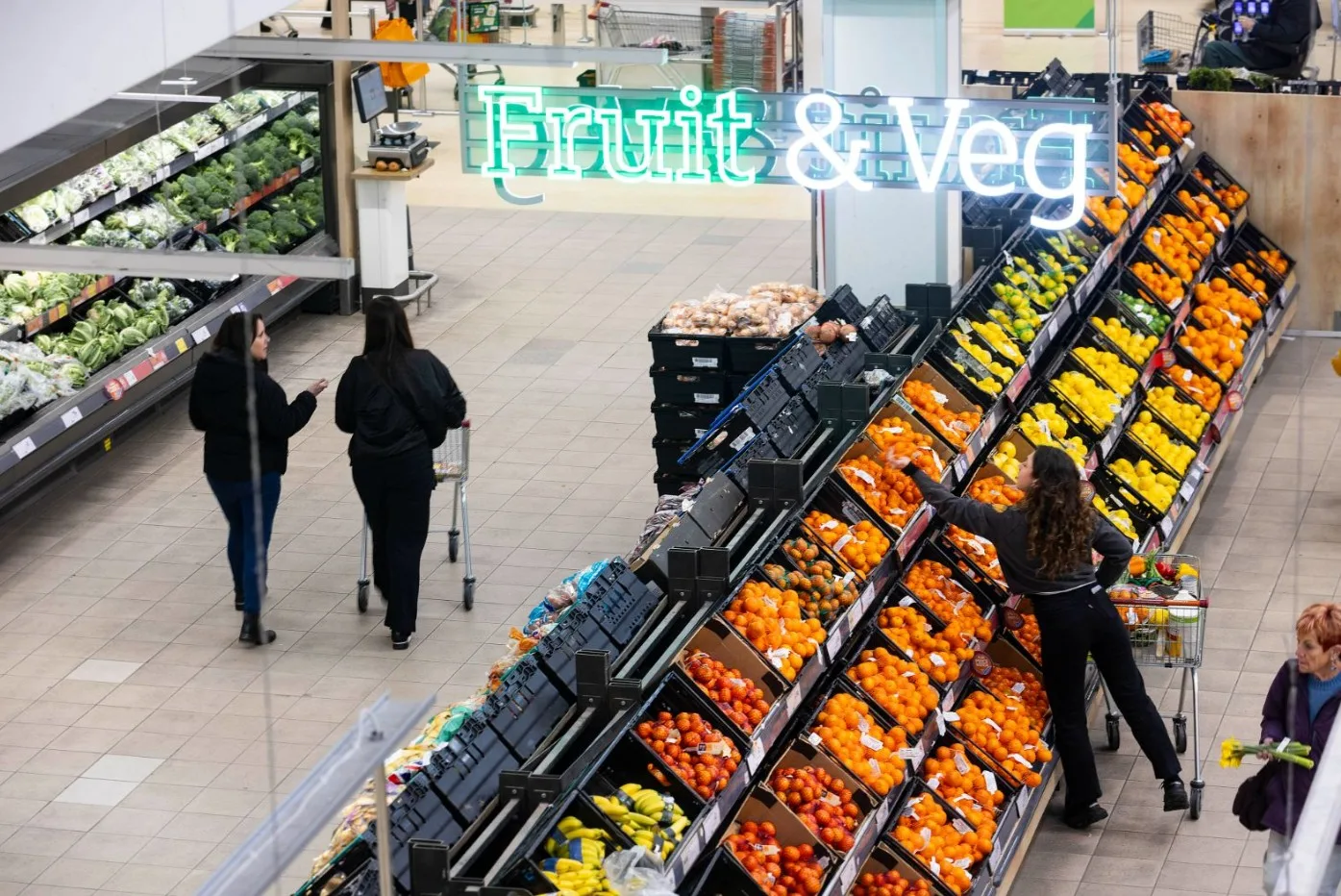
A model built over two decades
Sainsbury’s says its long-term partnership strategy has been developing for nearly 20 years.
It began introducing long-term agreements in 2007 with dairy farmers, at a time when rising labour and energy costs were creating pressure across the sector.
The dairy model includes paying farmers a cost-of-production price linked to real-world input costs such as fuel, feed and fertiliser.
Since then, the approach has expanded into eggs, chicken and other fresh food categories.
Long-term contracts now expanding into fresh produce
As part of the latest expansion, Sainsbury’s has extended its long-term partnership model to 62 British berry farms, signing five-year contracts with:
- Angus Soft Fruit
- Chambers
- Soft Fruits Direct
- J.O. Sims
- Dyson Farming
Soft fruit has traditionally relied on short-term seasonal agreements, making the move a significant shift for the category.
The longer-term model is intended to give growers greater security to invest in sustainability and innovation while helping secure the future of British berry production.
Supporting innovation through supplier certainty
Sainsbury’s says its partnership approach is already helping suppliers invest in innovation.
The retailer points to its agreement with Monaghan Mushrooms in the Republic of Ireland, signed in 2025, which enabled Sainsbury’s to become the first UK supermarket to offer conventional mushrooms grown without peat.
The example demonstrates how longer-term agreements can unlock innovation and improve outcomes for customers.
Leadership says certainty is critical for producers
Simon Roberts, Chief Executive of Sainsbury’s, said the retailer’s model is designed to balance affordability for consumers with security for suppliers.
“Good food is something people depend on every day. In uncertain times our focus is on keeping food great value for customers while giving farmers the reassurance and certainty they need to plan ahead.
“We’re proud to lead the way on long term farming partnerships and cost of production models – with some of the longest in UK retail, backed by billions of pounds of committed investment. When farmers know what we’ll buy, at what price and for how long, they can plan, invest and keep producing the great tasting, responsibly sourced British food our customers trust.
“By expanding these long-term agreements across more of our meat, dairy, fruit and veg, we’re backing British and Irish farming for the future and bringing more homegrown food to our customers. This is how we protect quality, value and provenance in an uncertain world and how we help secure the future of good food for all of us.”

Farmers say stability supports long-term resilience
Dairy farmer Charlie Burgoyne of Holmbush Farm, who has supplied Sainsbury’s milk for more than 15 years, said long-term contracts are increasingly important amid mounting industry challenges.
“These are incredibly challenging times for farmers, with the impacts of climate change, rising input costs and global instability creating real uncertainty across the sector. To keep our business resilient, we need the confidence to invest in our future. That’s why long-term partnerships, like the one we have had with Sainsbury’s for many years, are so important and vital to securing the future of the food system and British farming. Multi-year agreements, underpinned by a fair cost-of-production model, give us the stability and confidence we need to plan ahead, invest for the future and sustain our farm for generations to come.”
What Sainsbury’s supply model signals for the wider food industry
As food retailers and suppliers continue to navigate cost pressures, climate disruption and shifting consumer expectations, Sainsbury’s is positioning long-term supplier agreements as a strategic model for protecting food quality, supply chain resilience and domestic sourcing.
The retailer says its approach is aimed at securing “the future of good food” while supporting British and Irish farming through greater investment certainty.
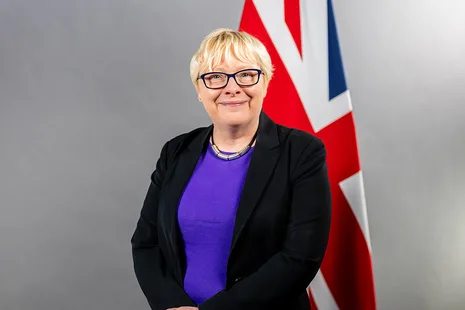
“Long‑term investment in the British farming sector is vital to help secure more homegrown, high‑quality food for families, strengthen supply chains, and support the innovation and sustainability. All this is essential for the future of farming,” said Angela Eagle, Minister for Food Security and Rural Affairs.
“It is great to see Sainsbury’s match our commitment to work with the sector to give farmers the certainty and confidence they need to invest, grow and plan for the future.”
This article was produced by the editorial team at Food & Beverage Outlook and published as part of the Outlook Publishing global network of B2B industry magazines.
Outlook Publishing delivers industry insights, company stories, and sector coverage across food production, manufacturing, supply chains, construction, healthcare, mining, and sustainability.
Food & Beverage Outlook provides ongoing coverage of organisations and developments shaping the global food and beverage sector.